

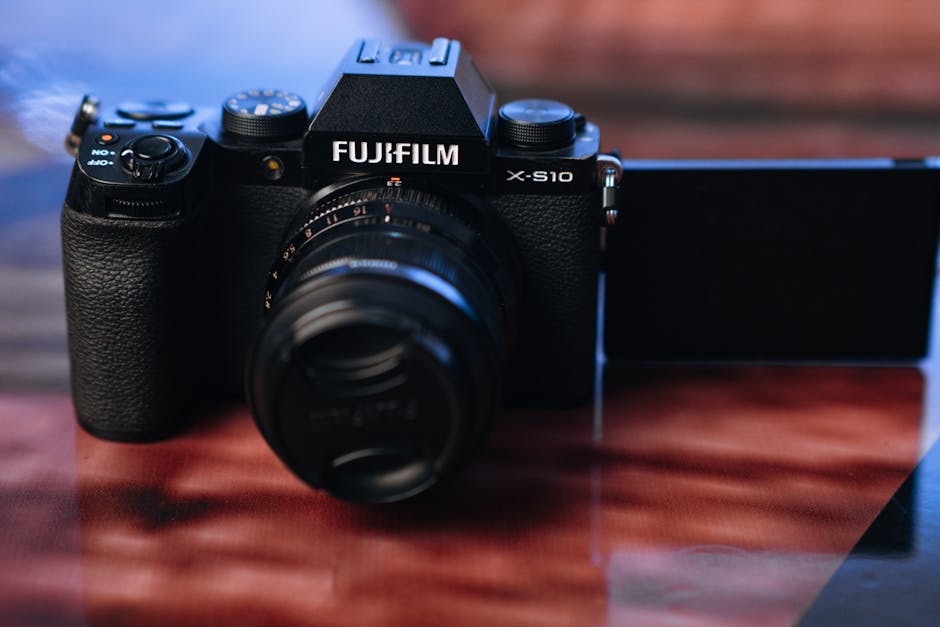
Hot take from the field: in 2026, the “winning” camera system isn’t the one with the biggest specs—it’s the one you can shoot with at the right moment without friction. That friction shows up as focusing misses, lens size you regret, menu delays, and battery anxiety on long shoots.
Mirrorless vs DSLR vs high-end compact is really a question of workflow: how quickly you can frame, nail focus, capture the shot, and keep moving. If you’re a real shooter (weddings, sports, street, travel, events), you want a system that stays consistent under pressure—not just on a bench test.
Below is my 2026 breakdown based on how these systems behave in day-to-day use: autofocus reliability, lens ecosystem math, battery realities, and the “hidden” costs that don’t fit in spec sheets.
Mirrorless vs DSLR vs High-End Compact in 2026: The direct answer
If you’re asking which system wins overall in 2026: mirrorless wins for most real shooters, mainly because focus tracking is now strong enough to cover most genres without heroic technique. DSLR still wins for some photographers who prioritize optical viewfinders and long-established ergonomics. High-end compacts win when you value stealth, low weight, and instant readiness over maximum lens flexibility.
That answer holds until you add your specific constraints: studio work, long wildlife reach, fast-paced event coverage, or travel where every gram matters. Then the “winner” changes.
What’s actually different between mirrorless, DSLR, and high-end compact?
Here’s the definition that matters for buying decisions: Mirrorless refers to camera systems without a moving mirror, using an electronic viewfinder (EVF) and on-sensor autofocus. DSLR refers to cameras that use a mirror box to route light to an optical viewfinder and an autofocus module. High-end compact refers to smaller fixed-lens cameras optimized for portability, speed, and image quality rather than swapping lenses constantly.
In practice, those design differences turn into four shooting realities: how viewfinding behaves, how autofocus tracks subjects, how lenses affect your carrying burden, and how you manage battery + heat during long sessions.
Viewfinder behavior: why it changes the “decisive moment”
An EVF is not just a screen—it’s a real-time rendering of exposure and focusing cues. In 2026, most mirrorless EVFs have improved latency enough that you can track action confidently. Still, harsh refresh-rate drops can happen in very specific conditions (low light with heavy stabilization + high burst), and DSLRs keep the advantage of an always-on optical path.
For example, during early-morning street shooting in winter, I found myself raising the camera faster with an EVF because I could preview exposure and white balance. With DSLR, I had to mentally lock exposure and focus strategy sooner, then commit.
Autofocus tracking: the real reason mirrorless pulls ahead
Autofocus tracking is the main driver of the mirrorless vs DSLR comparison. Modern mirrorless systems use phase detection directly on the sensor (or extremely close to it), which helps with face/eye detection, subject classification, and continuous tracking.
DSLR autofocus can still be excellent, especially with dedicated AF modules and known compatible lenses. But in mixed scenarios—side profiles, occlusions, fast foreground interruptions—mirrorless has the edge more often than not.
Which system wins for real-world shooting scenarios?
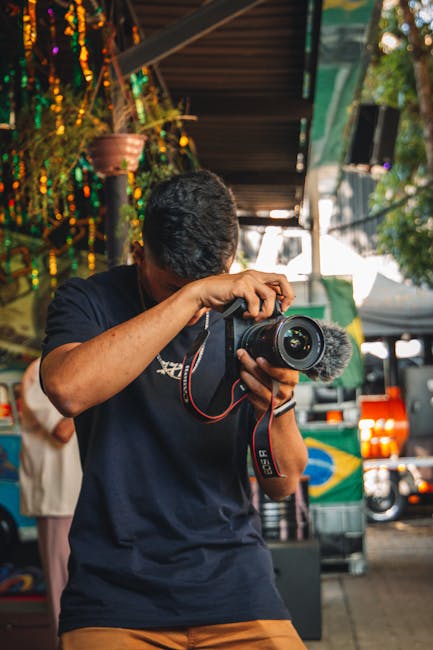
Below is where buyers usually get it wrong: they treat “image quality” as the only metric. For real shooters, the winner is the system that reduces misses and speeds up the moments you can’t repeat.
Sports, action, and kids running at you (fast AF matters most)
If your subjects move unpredictably, mirrorless is the safest default. In 2026, mirrorless tracking across the frame is typically stronger, and you’re less reliant on nailing a specific AF point placement technique.
My rule: if you want “set it and forget it” AF for chaotic scenes, mirrorless gets you there faster. DSLR can absolutely deliver great results—especially if you’ve already built a lens/AF workflow you trust—but the margin for error often demands more shooter input.
Weddings and events (battery + ergonomics + lens changes)
Events are where the math gets real. You need consistent AF, fast lens swaps, and a body that doesn’t fight your hands.
Mirrorless often wins due to subject detection, silent shooting options, and high burst reliability. DSLR can win if you’ve already invested in a comfortable grip and your telephoto lenses give you the reach you need without constantly worrying about heat and power management.
Actionable test before you buy: do a one-hour “event rehearsal” at home. Set the camera to your planned AF mode, simulate rapid shots, and track how often you have to correct AF behavior. Then repeat with your likely lenses. You’ll feel workflow friction quickly.
Travel and street (the hidden value of “always with you”)
For travel and street photography, a high-end compact can win outright because it changes your behavior: you bring it more, you shoot more, and you get less “gear fatigue.” A compact also reduces the social friction of carrying a big camera.
In many 2026 travel situations, I prefer systems that let me react instantly. If you’re constantly swapping lenses, you’ll miss shots—especially in crowded areas or tight transit windows.
That said, if your travel demands long reach (mountains, wildlife near trails, distant city scenes), mirrorless with a telephoto zoom can beat compact flexibility even after factoring size.
Wildlife and long reach (reach vs budget vs weight)
This is where DSLRs still have strong holdouts, mainly because the established long-lens ecosystem is huge and some users value battery-heavy stamina with pro-grade bodies. But mirrorless lens availability has expanded dramatically, and modern telephoto zooms and super-tele primes are now competitive.
Here’s my opinionated guidance: if you’re starting wildlife in 2026 and you can afford it, mirrorless is usually a better long-term bet because of autofocus tracking and the ability to fine-tune your workflow. If you’re already deep in DSLR pro glass, a DSLR can remain rational—especially for certain budget-optimized used lens paths.
Mirrorless vs DSLR vs High-End Compact: the cost you don’t see in listings
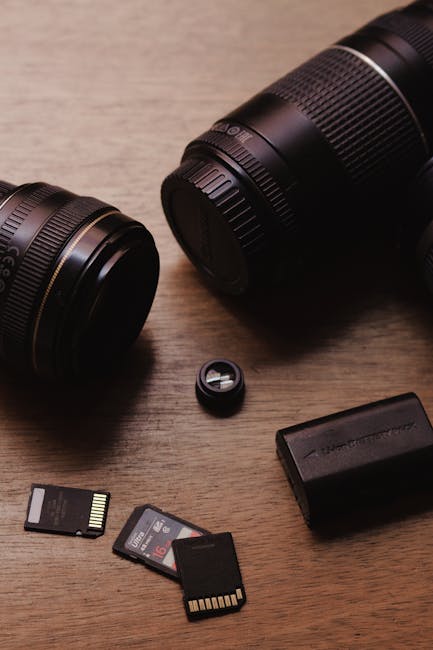
Most buying guides show prices for bodies and ignore the real cost of making the system productive. The “hidden bill” is usually: lenses, accessories, batteries, storage, and time spent compensating for weaknesses.
Lens ecosystem cost is the biggest differentiator. A kit that looks “similar” at purchase can diverge quickly once you add the second or third lens you actually use.
Lens math: the “two lens rule” that changes everything
Most real shooters settle into two practical lenses: one for everyday framing and one for a specialty range. Mirrorless often becomes cost-effective because third-party and first-party options are plentiful. DSLR can be cost-effective if you already own lenses. High-end compact avoids the lens bill entirely, but you pay via fixed focal length limitations.
Practical example: if your typical day is coffee → park walk → night street, you’ll likely want a wide-to-standard zoom (or fast prime) plus a low-light capable option. Mirrorless makes that easier with flexible zooms or compact primes. Compact cameras handle the “I want great images immediately” story, not the “I need to cover everything with one device” story.
Battery and power: what 2026 shooters should plan for
Battery life is one of the most misunderstood topics because manufacturers quote different standards. In real use, mirrorless battery consumption depends heavily on EVF usage, stabilization mode, temperature, and how long you sit with the camera powered and waiting.
In 2026, the best approach is boring: bring two or three spare batteries for events and travel days, and test your usage pattern. On DSLR days, I still carry spares, but I typically need fewer because the optical viewfinder reduces power drain.
Compact cameras are often the most efficient per shot but still require spares for long tours because fixed-lens cameras can encourage extended review/playback.
Comparison table: which system wins on your priorities?
Use this table like a decision filter. It doesn’t replace hands-on testing, but it aligns with how these systems behave in 2026 for real shooting.
| Priority | Mirrorless | DSLR | High-End Compact |
|---|---|---|---|
| Autofocus tracking (faces/eyes/subjects) | Strongest across scenarios | Very good in many setups | Good to great if well-optimized |
| Low-light reliability | Often excellent with modern sensors | Excellent, especially with optical viewfinder | Great results if lens is fast |
| Portability for all-day carry | Often medium (bigger than compact) | Often bulky for travel | Best |
| Lens flexibility | Best overall ecosystem | Great if you own the glass | Fixed (one focal length) |
| Silent shooting | Yes (commonly) | No (mechanical) | Sometimes (model-dependent) |
| Battery anxiety | Plan spares | Generally less frequent swaps | Bring spares for long days |
| Budget predictability | Depends on lens choices | Depends on used glass depth | Most predictable |
What most people get wrong when choosing in 2026
The biggest mistake is buying for a fantasy shoot, not your next real assignment. Another mistake: assuming “more megapixels” means better photos. Sensor resolution matters, but missed focus and inconsistent exposure ruin more images than the theoretical file quality ever saves.
Mistake #1: Ignoring the lens you actually need
A compact camera can be a masterpiece, but if you repeatedly run into “I can’t get close enough,” you’re going to feel capped within weeks. With mirrorless or DSLR, many buyers under-plan for one key focal range.
Instead of asking “What’s the best body?” ask “What’s the smallest lens set that covers my real weekend?”
Mistake #2: Overestimating battery life from spec sheets
Battery life isn’t a single number anymore. EVF usage and stabilization are the real variables. If your workflow includes constant review, recording, or long standby time, your power budget changes fast.
Do this before you commit: estimate your shoot time with review on/off. Then add at least 30–40% buffer to your plan so you don’t get stuck at the worst moment.
Mistake #3: Thinking ergonomics are “minor”
Ergonomics decide whether you can change settings under pressure. In 2026, I see more shooters switching systems because the controls don’t match their muscle memory—not because of image quality.
If you’re currently comfortable with a DSLR body, hold a mirrorless body with the same lens weight. If the balance makes you fight your grip, you’ll compensate with slower actions.
People Also Ask: Mirrorless vs DSLR vs High-End Compact (2026)
Is mirrorless better than DSLR for beginners in 2026?
Yes, mirrorless is usually better for beginners in 2026 because modern autofocus is more forgiving and EVFs help you learn exposure faster. However, beginners often underestimate lens costs. If you want predictable budgeting, a high-end compact can be a smarter first “forever” camera because it avoids the lens ecosystem trap.
My recommendation: if you want interchangeable lenses and you’ll commit to growth, mirrorless is the easiest path. If you want to shoot immediately with minimal setup, compact is the fastest on-ramp.
Do DSLRs still have an advantage in 2026?
DSLR still has advantages in specific workflows: optical viewfinder comfort, strong battery stamina, and deep used-lens ecosystems. If you already own DSLR lenses, switching systems can be irrational unless your AF limitations are consistently hurting results.
DSLR makes sense for photographers who value battery endurance on long hikes, enjoy optical clarity, or shoot with established lens setups where tracking performance is already mastered.
Are high-end compact cameras worth it compared to mirrorless?
They’re worth it when “always carrying it” matters more than lens flexibility. High-end compacts excel for travel, street, family events, and situations where you don’t want to look like you’re documenting a documentary.
If your shooting identity requires multiple focal lengths—especially long telephoto reach—mirrorless becomes the better long-term tool. Compacts can be great companions, but they’re not replacements for a full kit in most wildlife and sports scenarios.
What camera system is best for video in 2026?
For modern video workflows, mirrorless usually dominates due to on-sensor autofocus, stabilization options, and strong hybrid features. DSLRs can still produce high-quality footage, especially with experienced operators, but mirrorless makes focus tracking and exposure control easier for solo shooters.
High-end compact cameras can be excellent for travel vlogging and casual footage, yet you’ll hit limits with long-lens framing and low-light flexibility sooner.
My 2026 “real shooter” selection framework (use this today)
This is the checklist I use when advising friends or helping photographers choose gear for a new year. It’s designed to prevent regret after the return window ends.
Step 1: Pick your top 2 genres, not your wish list
Write down your next three real assignments. If two of them are street + travel, lean compact or a small mirrorless kit. If two are sports/event coverage, prioritize autofocus tracking and lens availability.
Step 2: Choose your “one-lens day” solution
Ask: if you only carried one lens on a long day, what would you bring? Mirrorless wins when you can build a compact-ish “one-lens day” zoom or a small prime duo. DSLR wins if your one-lens option is already in your bag and you’re comfortable with the camera size.
Step 3: Confirm your power + storage workflow
In 2026, file sizes and burst rates can stress storage and backup. If you shoot RAW + high burst, plan a reliable workflow for your cards and drives. I also strongly recommend treating your photo data like anything else you protect—because losing a shoot hurts more than losing a gadget.
If you want to tighten that side, pair this gear decision with our guide on cybersecurity for photographers: how to protect client galleries and backups. (Yes, it’s a gear-adjacent topic—ransomware has hit photographers multiple times in the last two years.)
Step 4: Do a “hands test” with the lenses you’ll actually carry
Hold the camera for 5 minutes with each lens. If your wrists fatigue or the grip doesn’t land naturally, you’ll slow down while shooting. Speed is a feature.
Also check button placement while wearing gloves or in rainy conditions if that applies to your climate.
Security + workflow note: protect your images like production assets
One overlooked reality: the camera system you choose affects how you capture data, and your data protection plan must match. High burst mirrorless shoots can create huge RAW libraries quickly. That means you need a storage and backup plan that keeps working after the shoot ends.
In our site’s Cybersecurity for Photographers cluster, we emphasize authentication, encryption, and offsite backups. If you’re also interested in safe file handling, check our related post on secure photo backups and password hygiene for creatives.
Gear decisions are fun—until you realize you’re one drive failure away from a client disaster.
Recommended paths by type of photographer (2026)
Instead of “buy X camera,” I’ll give you realistic upgrade paths that match your shooting constraints.
Path A: The “I want the best success rate” shooter
Choose mirrorless with a lens set that covers wide-to-standard plus a specialty range. If you shoot people or action, prioritize AF tracking features and reliable subject detection.
Budget strategy: buy one lens you’ll use every day first, then add the second only after you can name exactly why you need it (reach, low light, background control).
Path B: The “I already own DSLR glass” shooter
Stay with DSLR if your lenses are integral to your workflow and you don’t feel AF limitations in your current work. Consider modernizing with a better body if your current AF coverage is inconsistent for your typical scenes.
Conversion costs add up: adaptors, new lenses, and a learning curve. In 2026, I only recommend switching from DSLR when the AF/reliability gap is harming real deliverables.
Path C: The “I want carry-light and shoot more” shooter
Pick a high-end compact if your main pain is not image quality—it’s the time and effort required to bring bigger gear out. You’re not giving up “too much” if your compositions fit the focal length.
To avoid disappointment, choose a compact with a focal length and lens speed that match your typical distance. If you’re a street shooter, make sure the framing range feels natural for your environment.
Where high-end compacts still win (and why it’s not just image quality)
Compacts win because they remove decision fatigue. When you’re in a cafe, on a subway platform, or walking toward a candid moment, you need your camera to behave like a reflex.
In my experience, the biggest advantage of a compact isn’t “better sharpness.” It’s that I keep it in my hand until the moment arrives, rather than leaving it packed while I decide which lens to attach.
If you’re currently fighting that kind of hesitation, consider adding a compact as a second camera rather than forcing a single system to do everything.
What I’d do if I were buying for 2026 today
If I were starting fresh specifically for “real shooters” in 2026, I’d do this:
- Start with mirrorless if I shoot people/action and I want the highest keeper rate.
- Start with compact if my dominant problem is that I don’t bring the camera enough.
- Stick with DSLR if I already own strong lenses and battery life is critical for long sessions.
Then I’d invest in a predictable workflow: spare batteries, realistic storage capacity, and secure backups. That’s where “winning” becomes measurable after the shoot.
Conclusion: Which camera system wins in 2026 for real shooters?
Mirrorless wins for most real shooters in 2026 because autofocus tracking and subject detection reduce misses when the scene doesn’t cooperate. DSLR still wins for shooters who prioritize optical viewfinder comfort, long battery stamina, and established lens collections. High-end compact wins when your real need is carry-light readiness and faster access to candid moments.
Your takeaway is simple: choose the system that minimizes friction in your next two real assignments. If you do that, “winner” becomes obvious—and you’ll be shooting more keepers, not just browsing better specs.
Featured image alt text (for your upload): Mirrorless vs DSLR vs high-end compact comparison showing photographers using different camera systems in 2026